
General Information About Cats
Cats offer peaceful and incredibly sanitary companionship, making them ideally adapted for premium modern living. They are naturally clean, maintain their own grooming routines, and provide soothing warmth on their own sophisticated terms. Equipping their space with climbing towers, organic feeds, and regular clinical checkups guarantees an incredibly active, peaceful life.
What Do Cats Eat?
Cats are strict obligate carnivores, which means meat-based taurine is essential to secure their cardiac and visual performance.
Animal Proteins
Lean cooked poultry, boneless turkey, or fresh salmon flakes to fuel active muscles.
Wet Nutrition
Premium gravy foods to support healthy hydration levels and protect renal functions.
Safe Avoidance
Strictly avoid dairy milk (lactose intolerance), standard chocolate, garlic, and raw dough.
Common Clinical Diseases & Solutions
1. Feline Leukemia Virus (FeLV)
Symptoms: Progressive weight loss, constant lethargy, high body heat, and pale gums.
Clinical Solution: Consult a vet immediately. Fully preventable by securing schedule-targeted early vaccinations and maintaining a strict, secure indoor lifestyle.
2. Hairball Vomiting & Gagging
Symptoms: Continuous gagging, dry retching, and regular coughing up of cylindrical hair clumps.
Clinical Solution: Execute daily brushing routines using organic detangling combs, and supply specialized hairball-control diet supplements.
3. Feline Lower Urinary Tract Diseases (FLUTD)
Symptoms: Extreme straining during urination, crying out in litter boxes, or visible blood traces.
Clinical Solution: Maximize hydration via multiple water fountains, integrate luxury wet meals, and consult veterinarians for specialized mineral balance diets.
Explore All 25 Cat Breeds We Offer
Click on any breed to read detailed information about their behaviour, characteristics, price in India, and clinical care requirements.
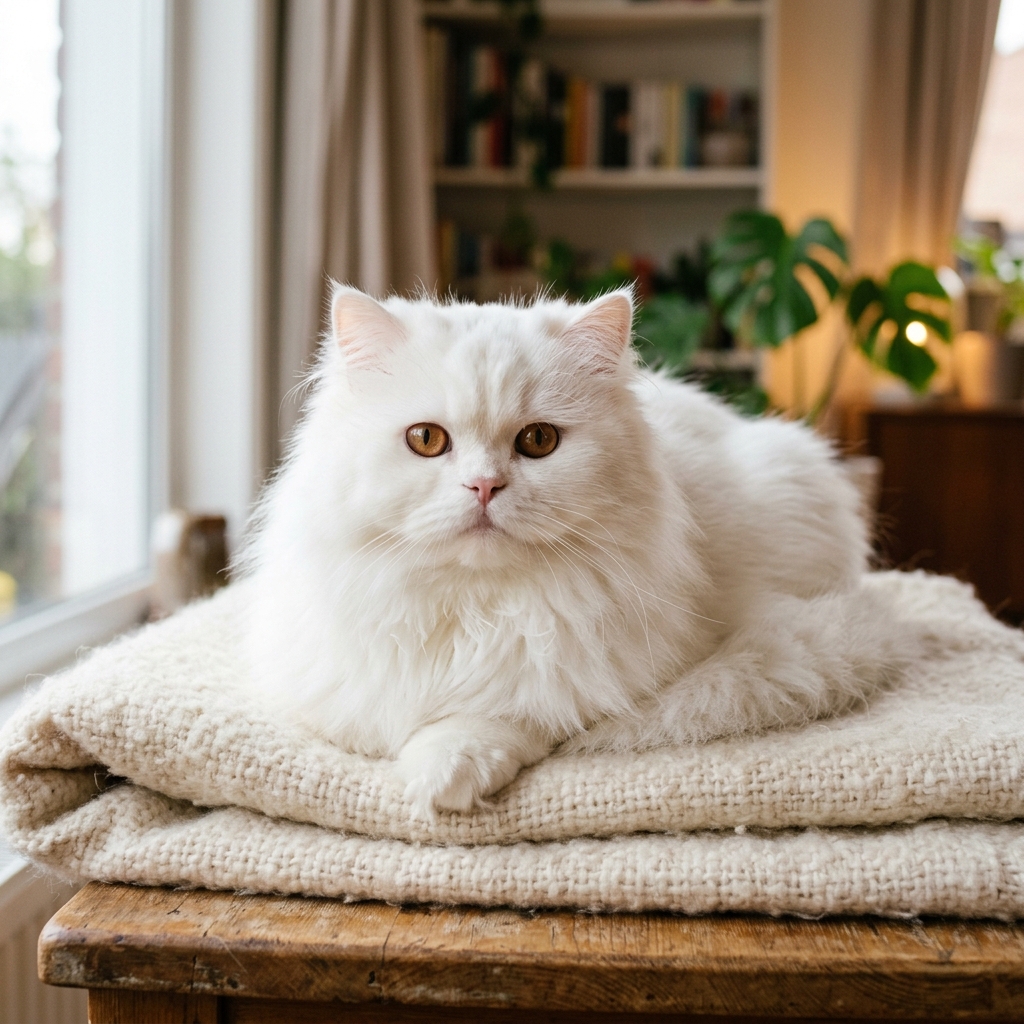
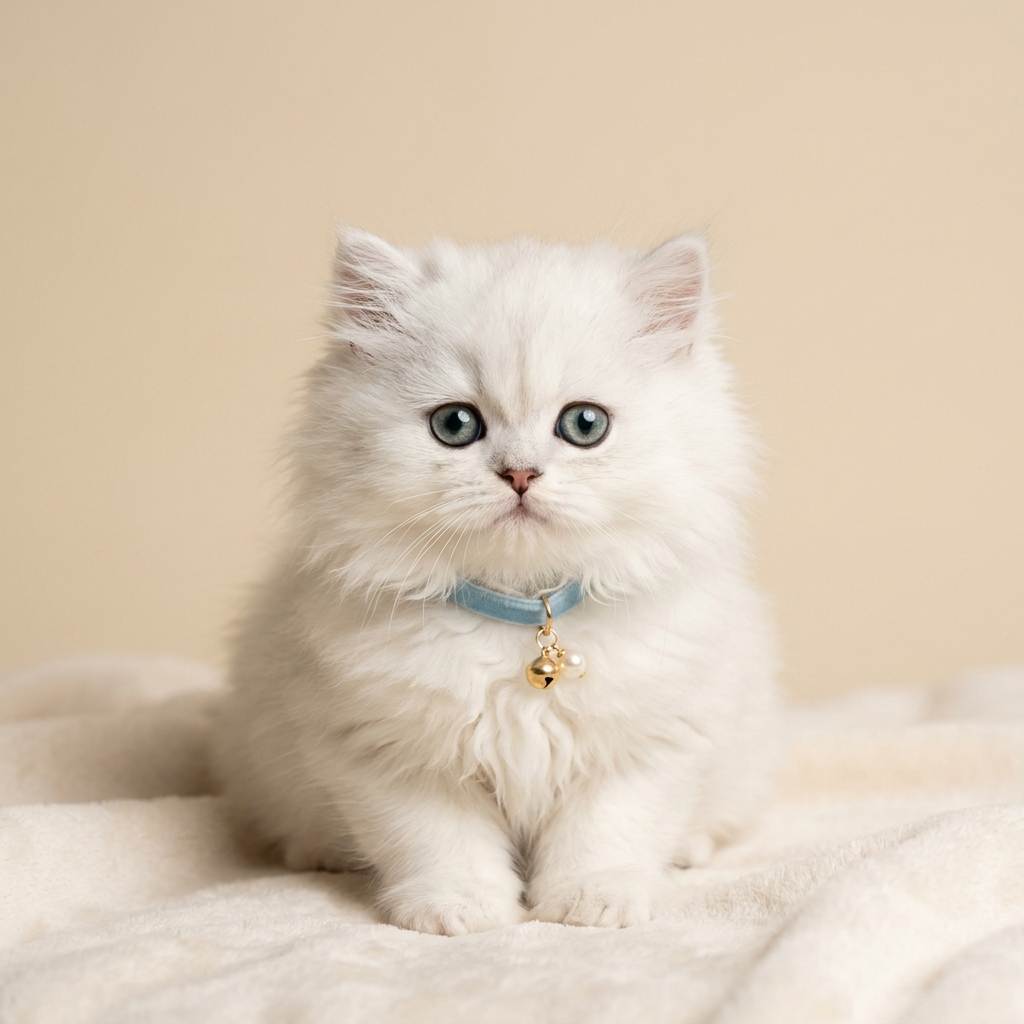
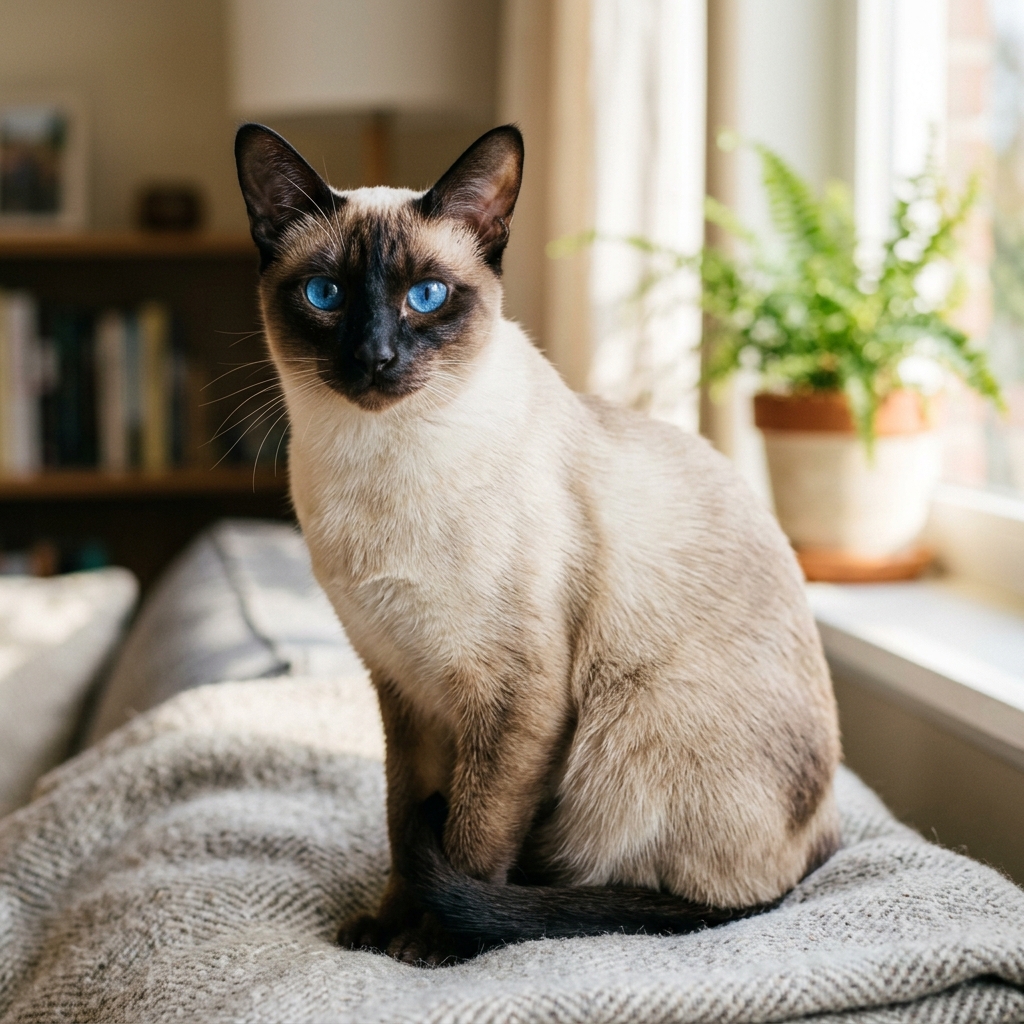
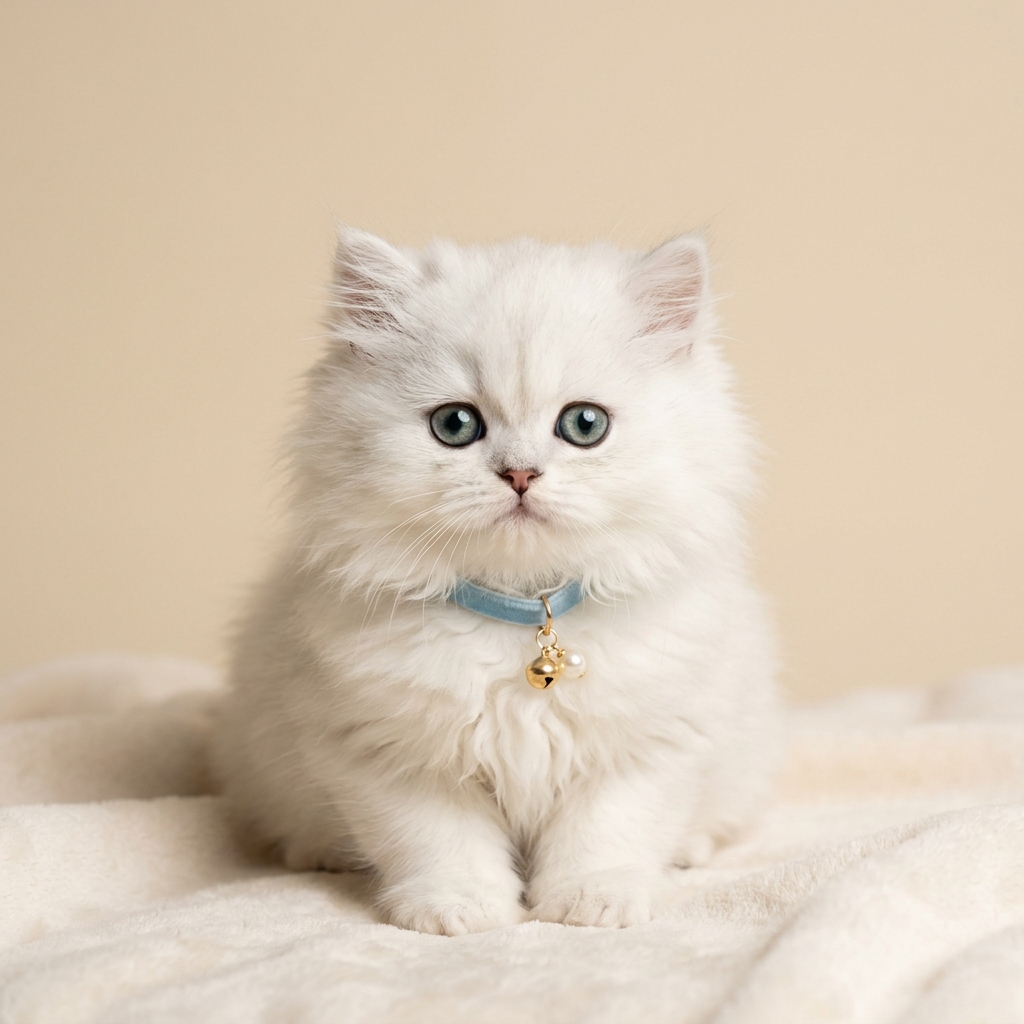
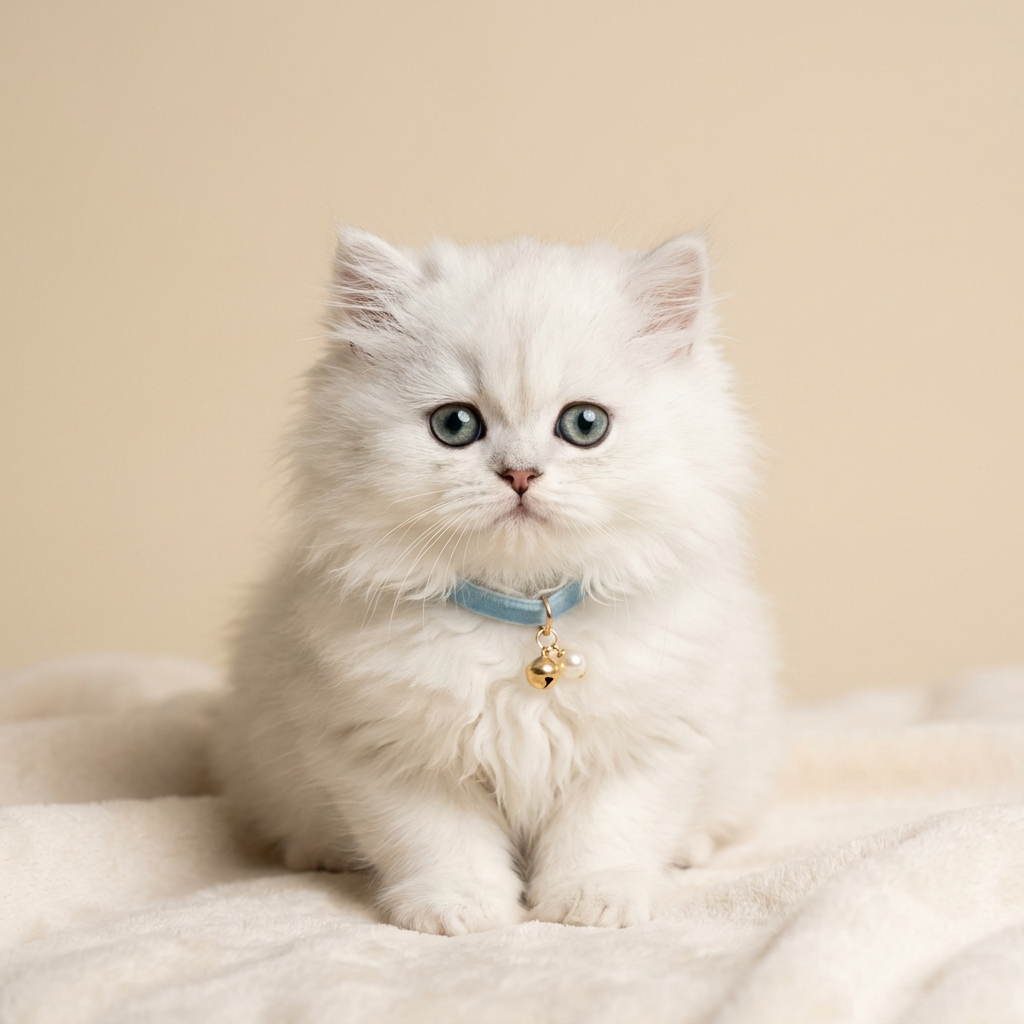
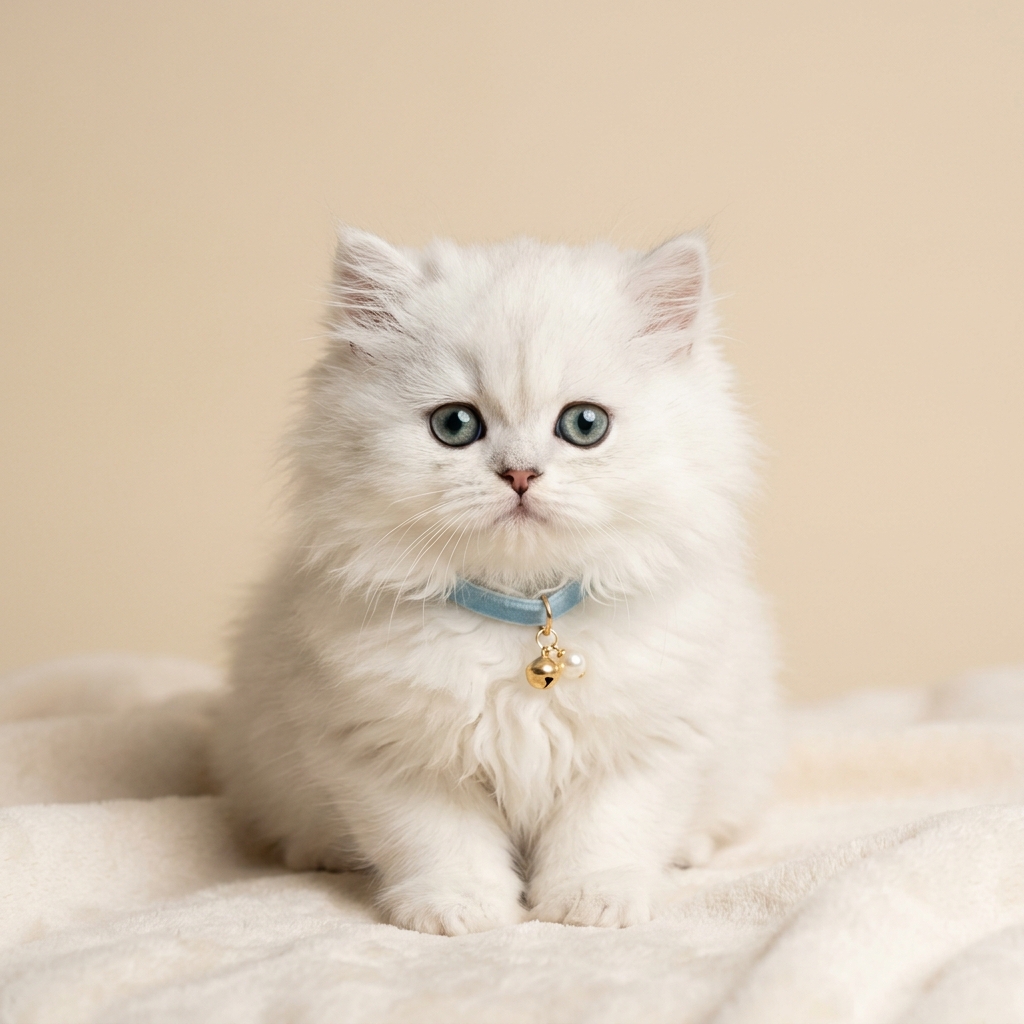
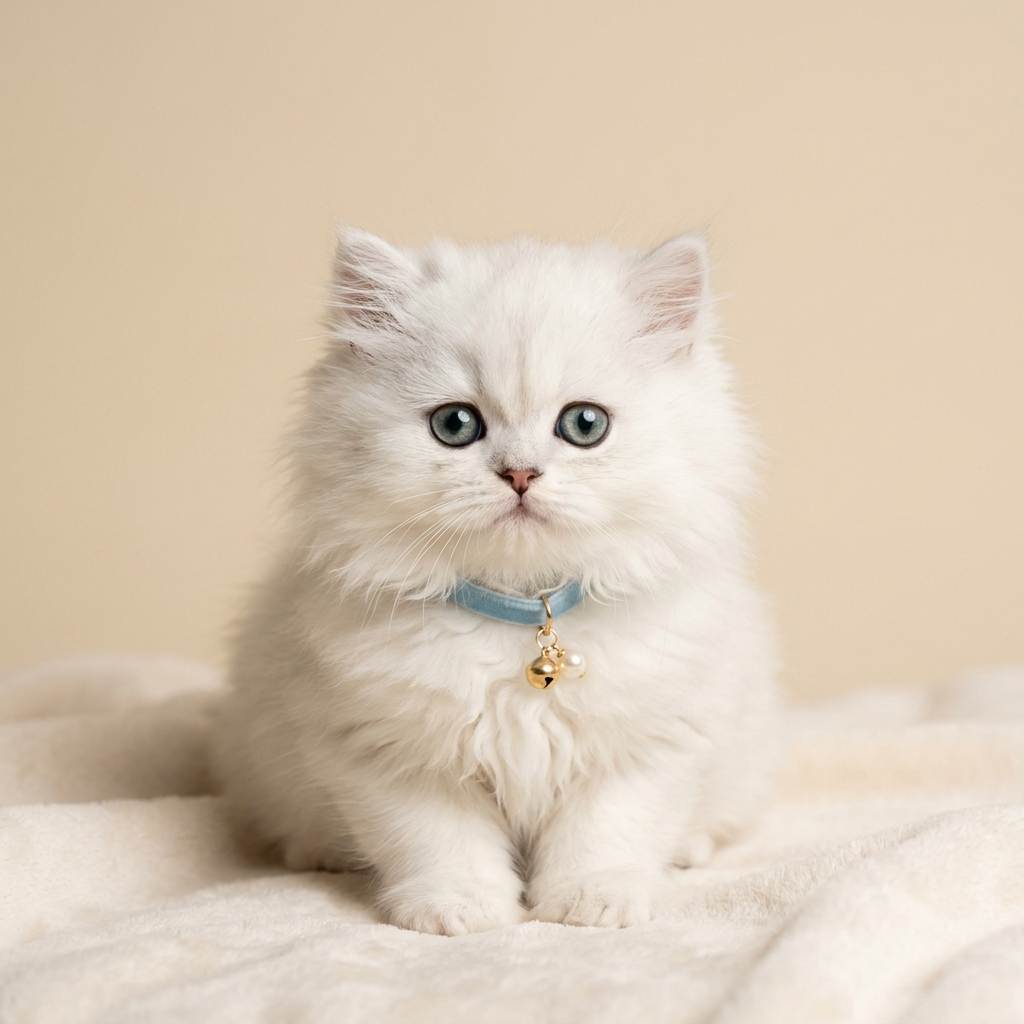
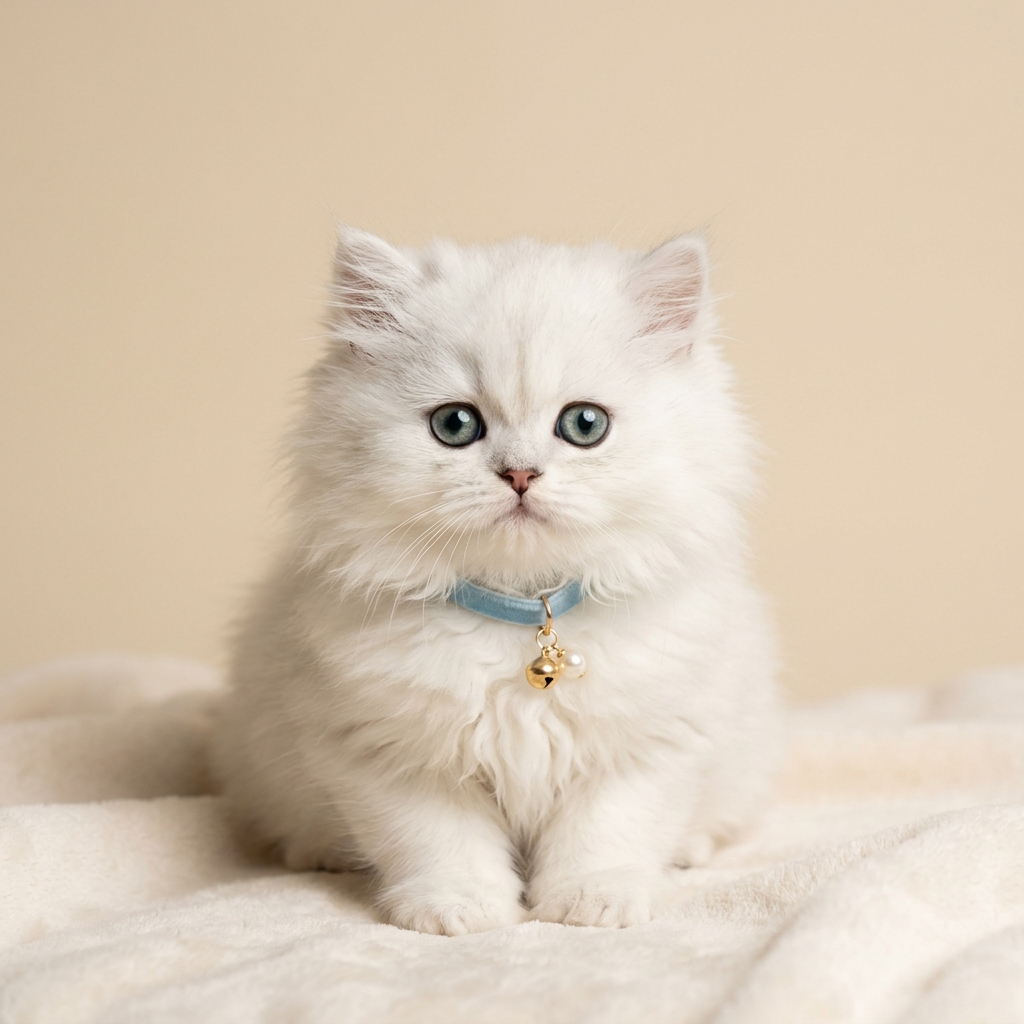
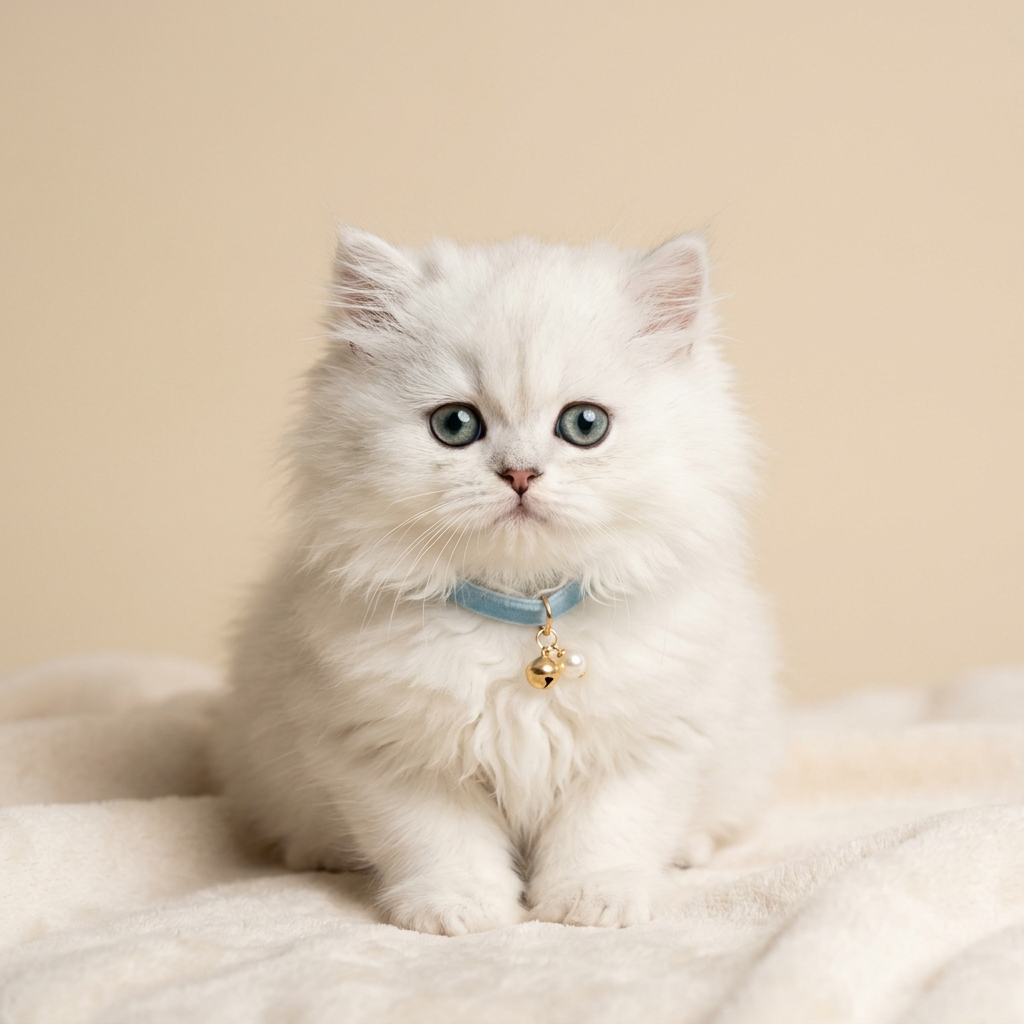
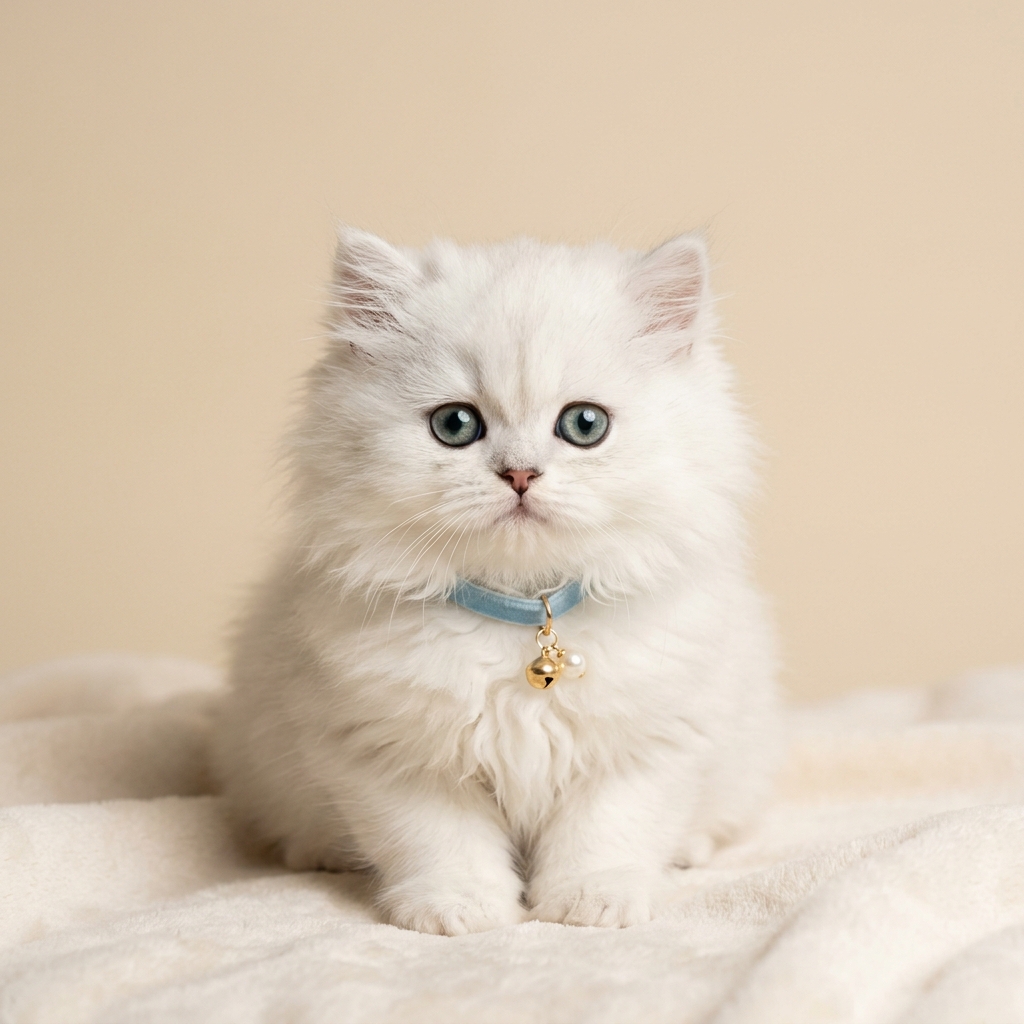
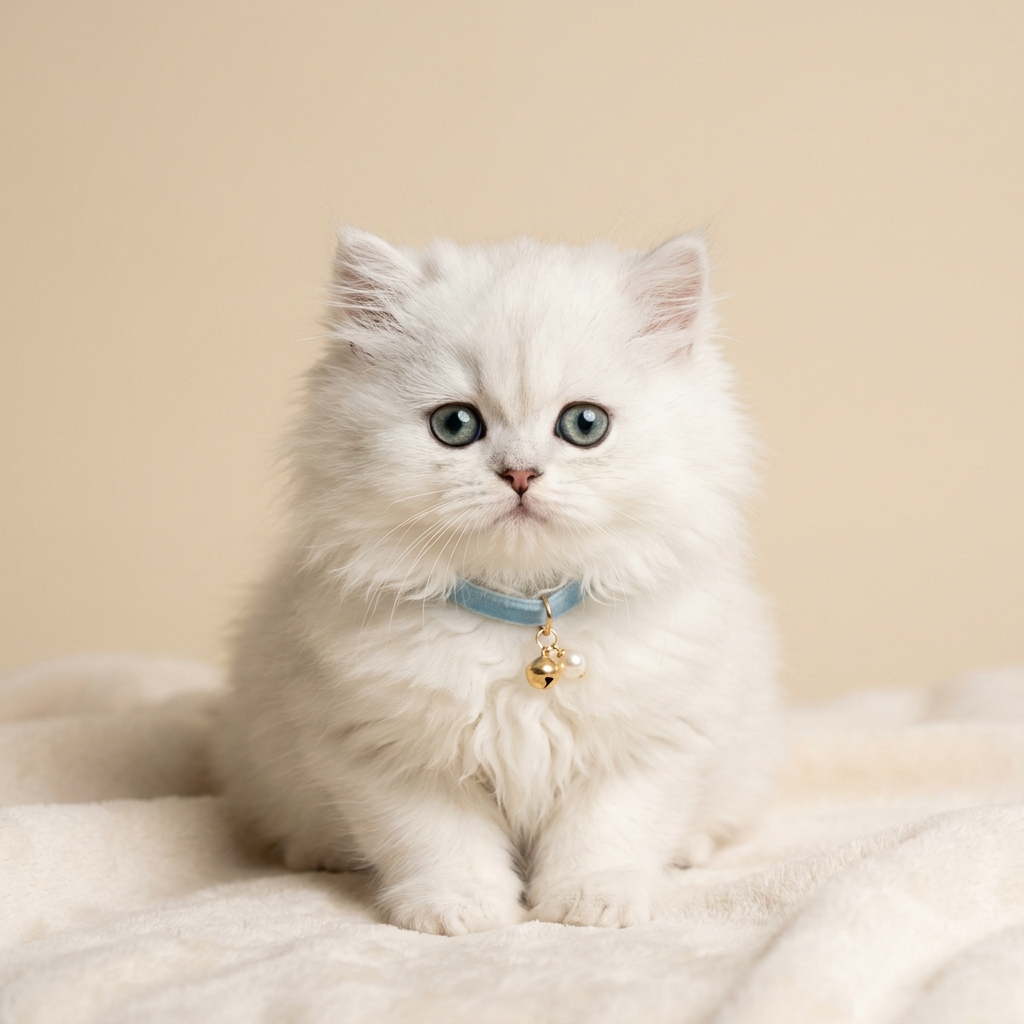
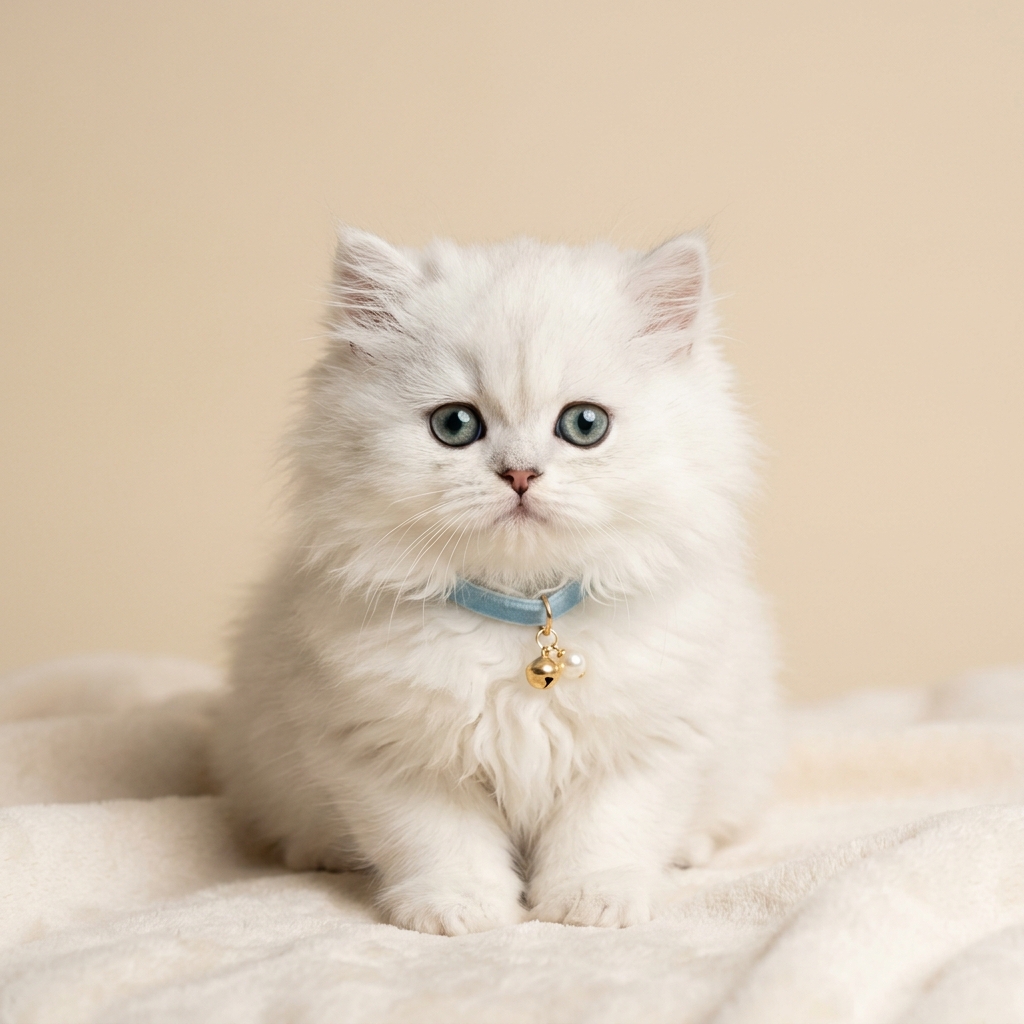
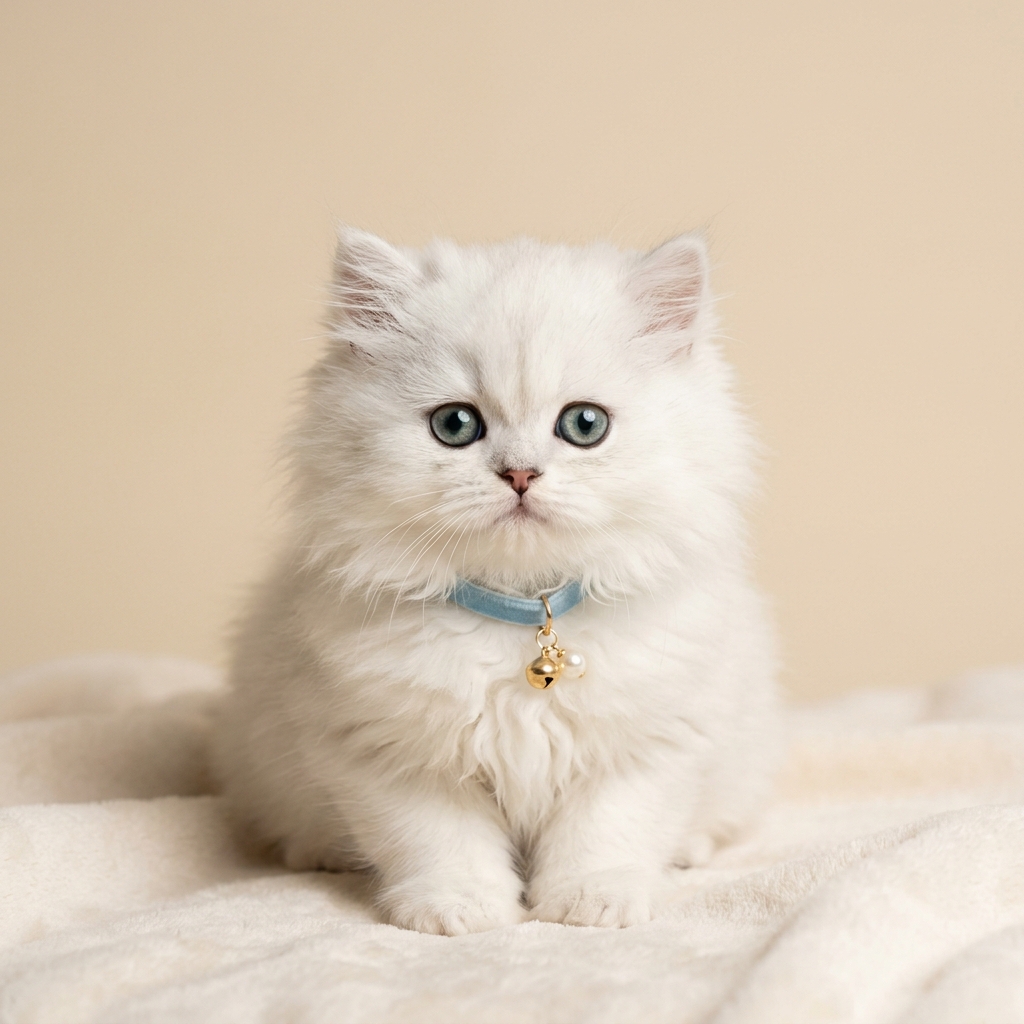
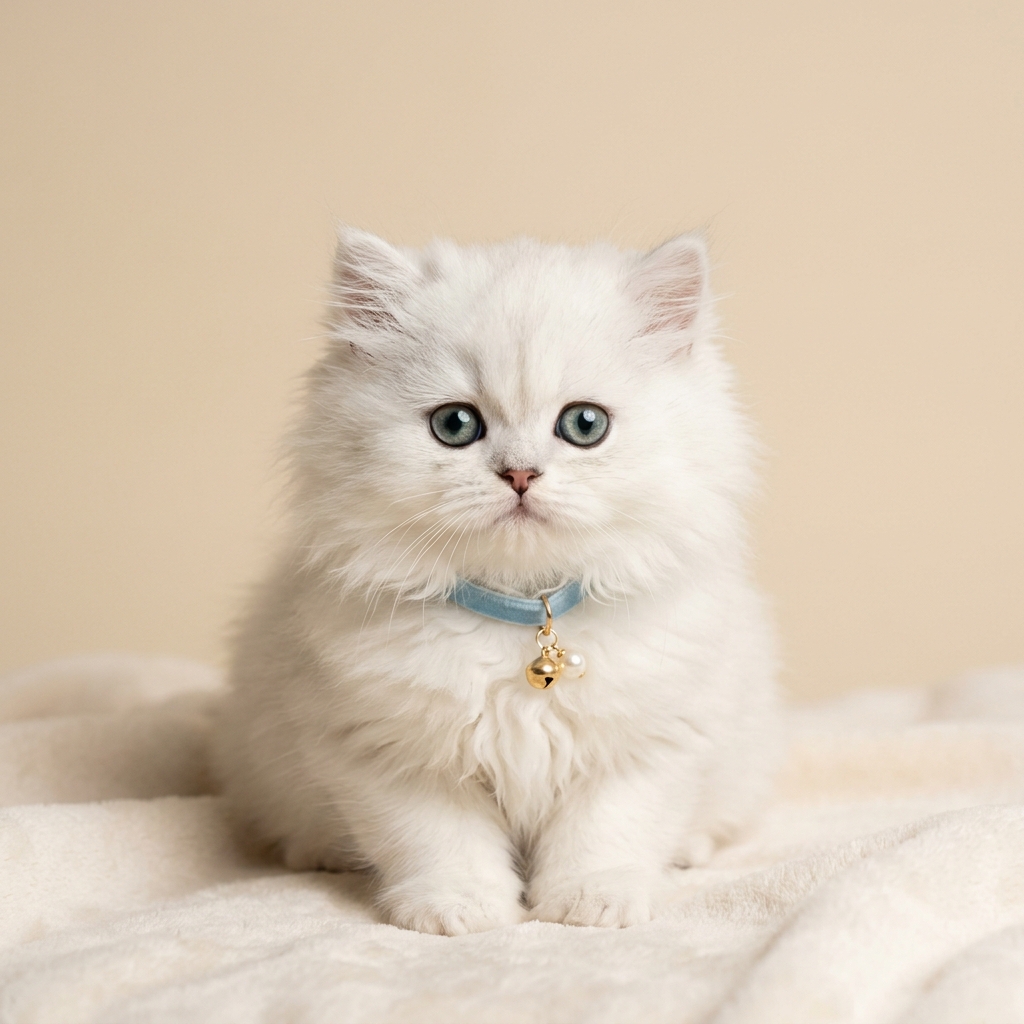
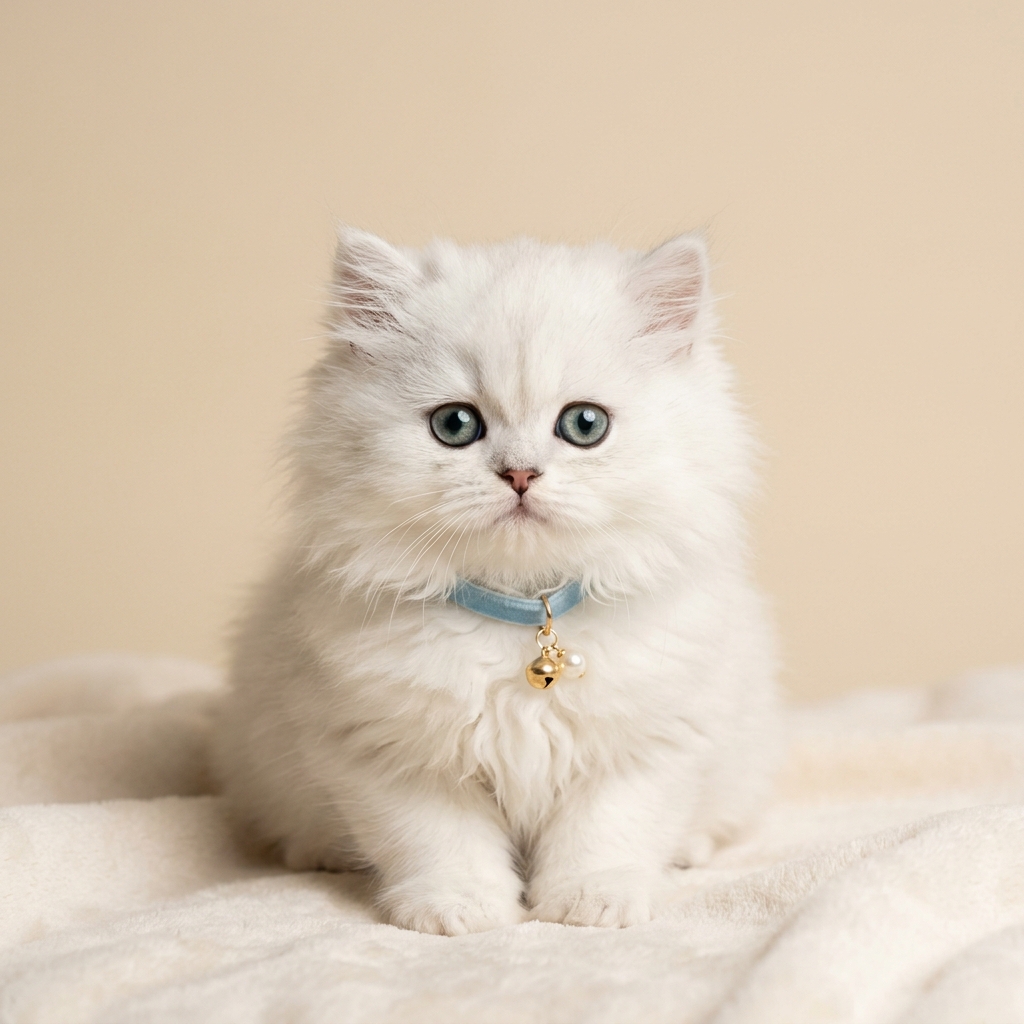
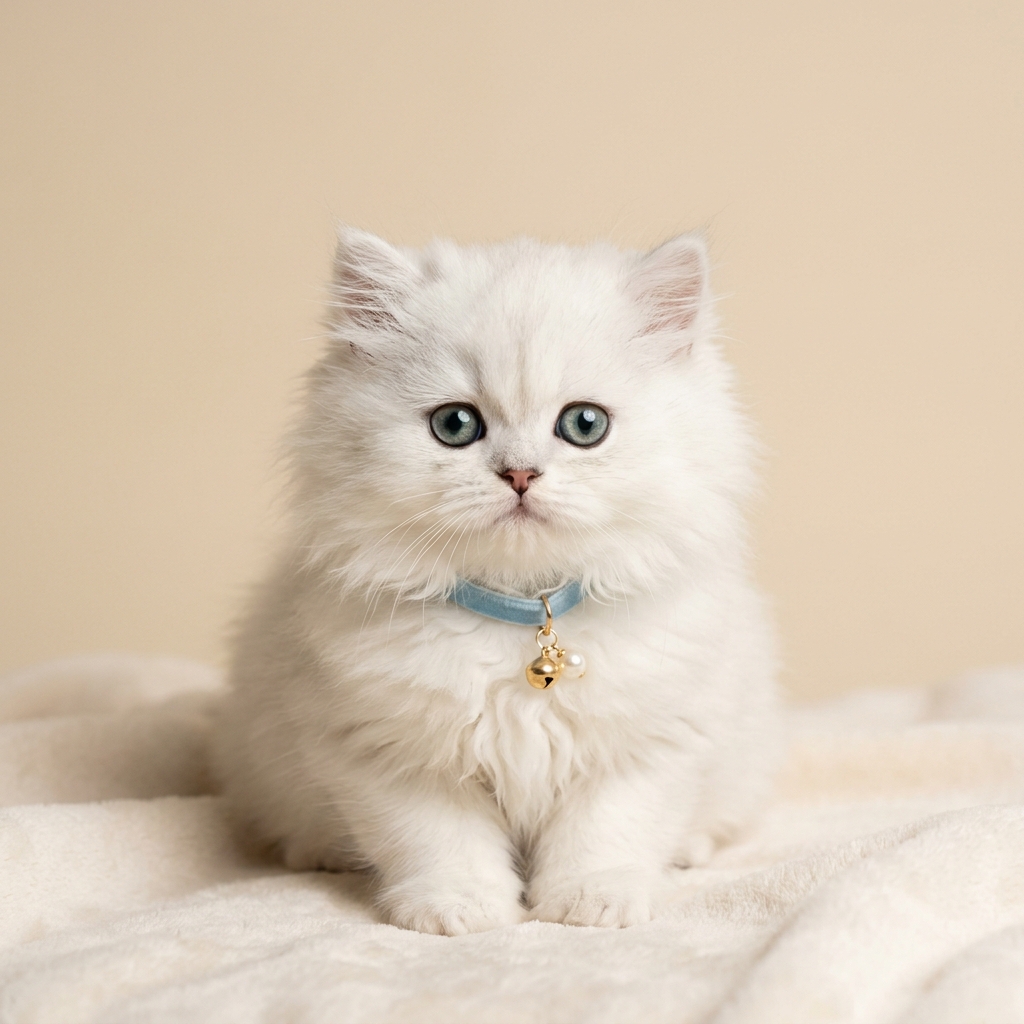
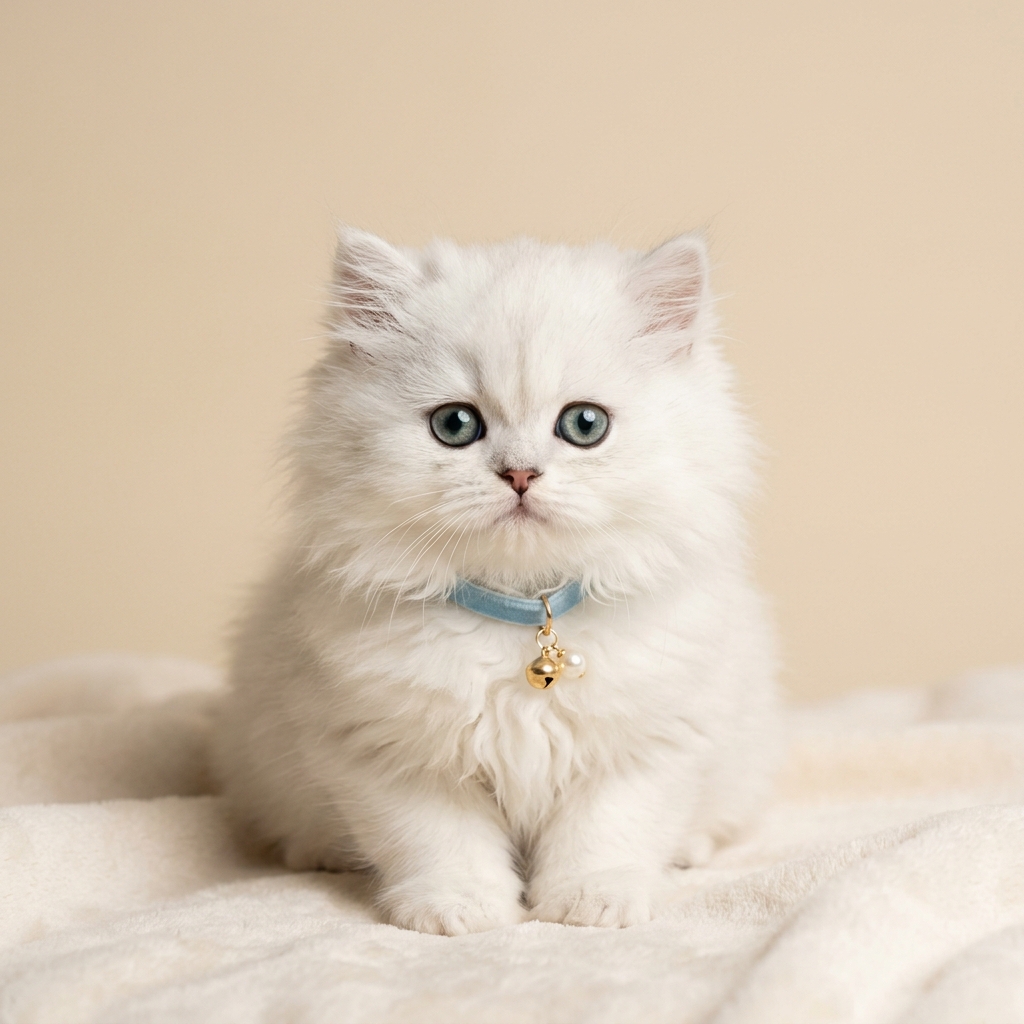
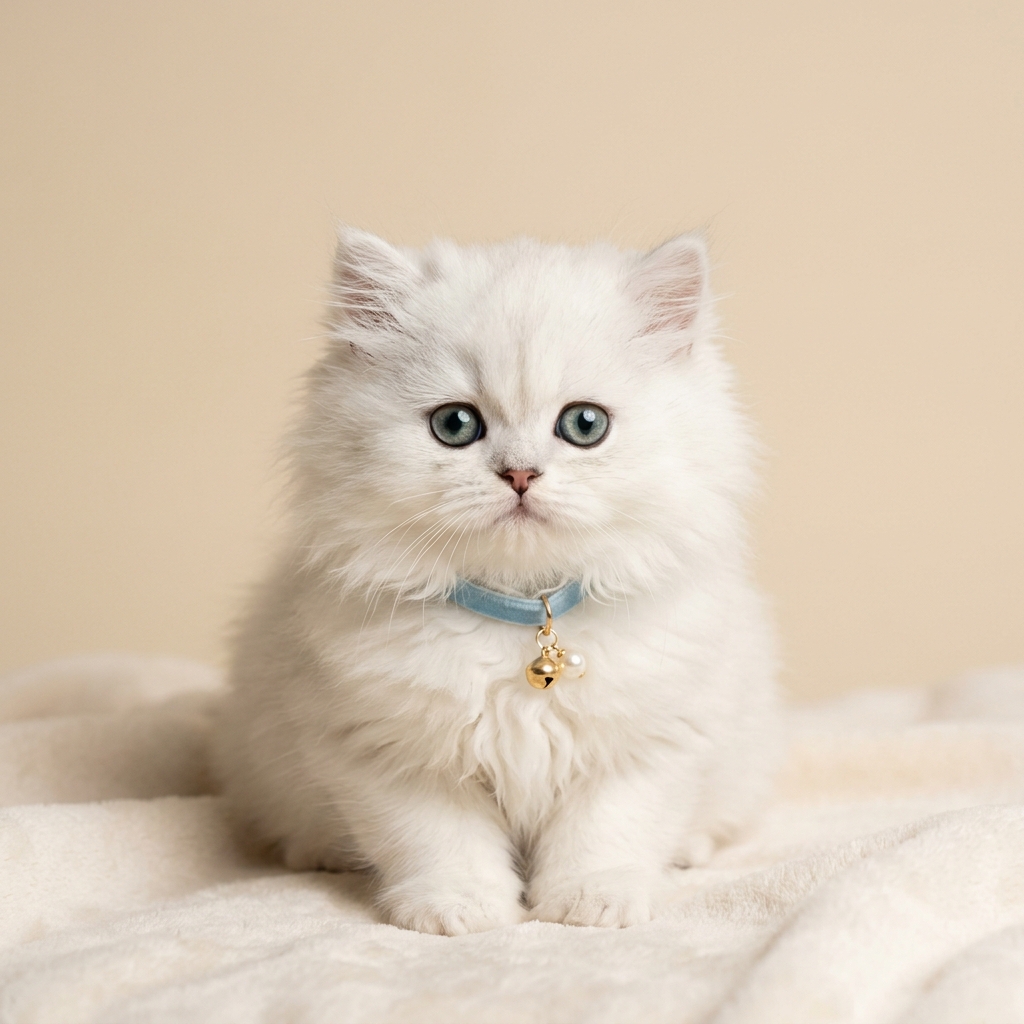
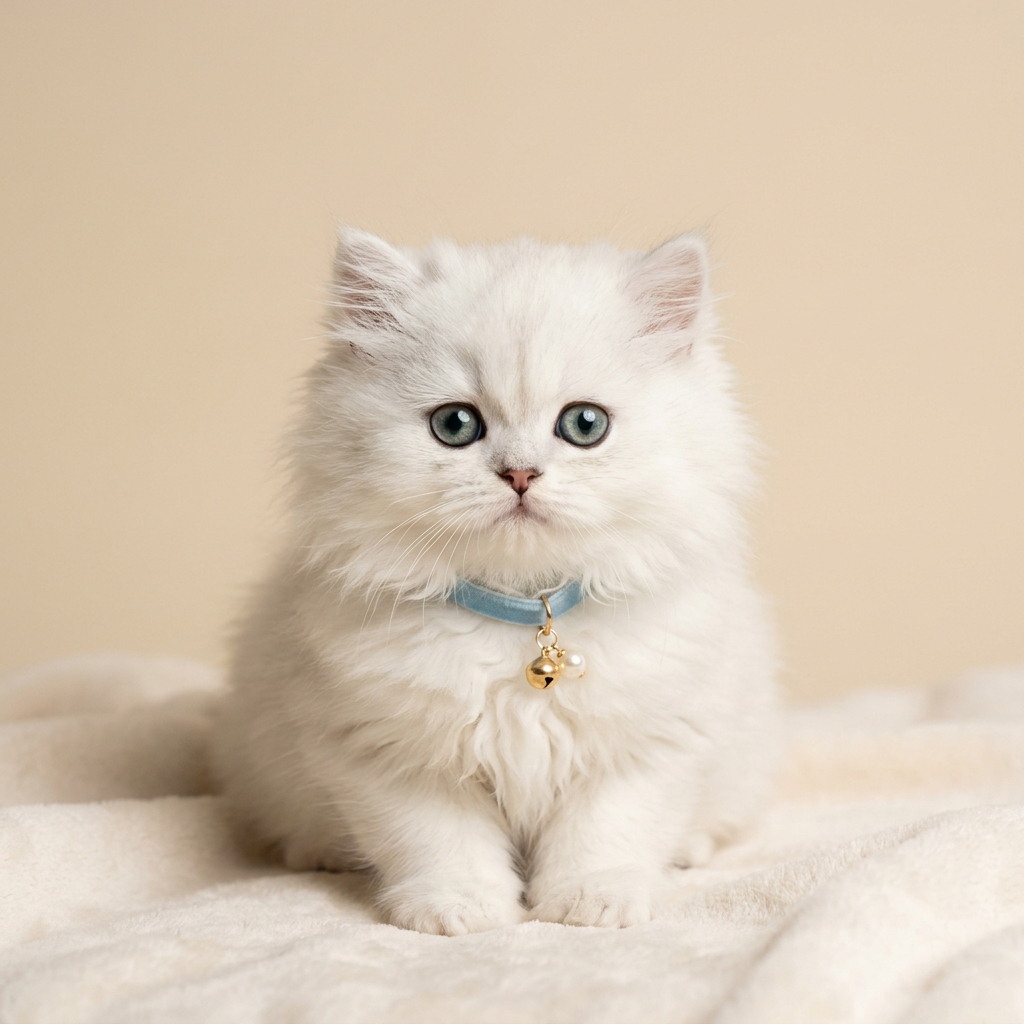
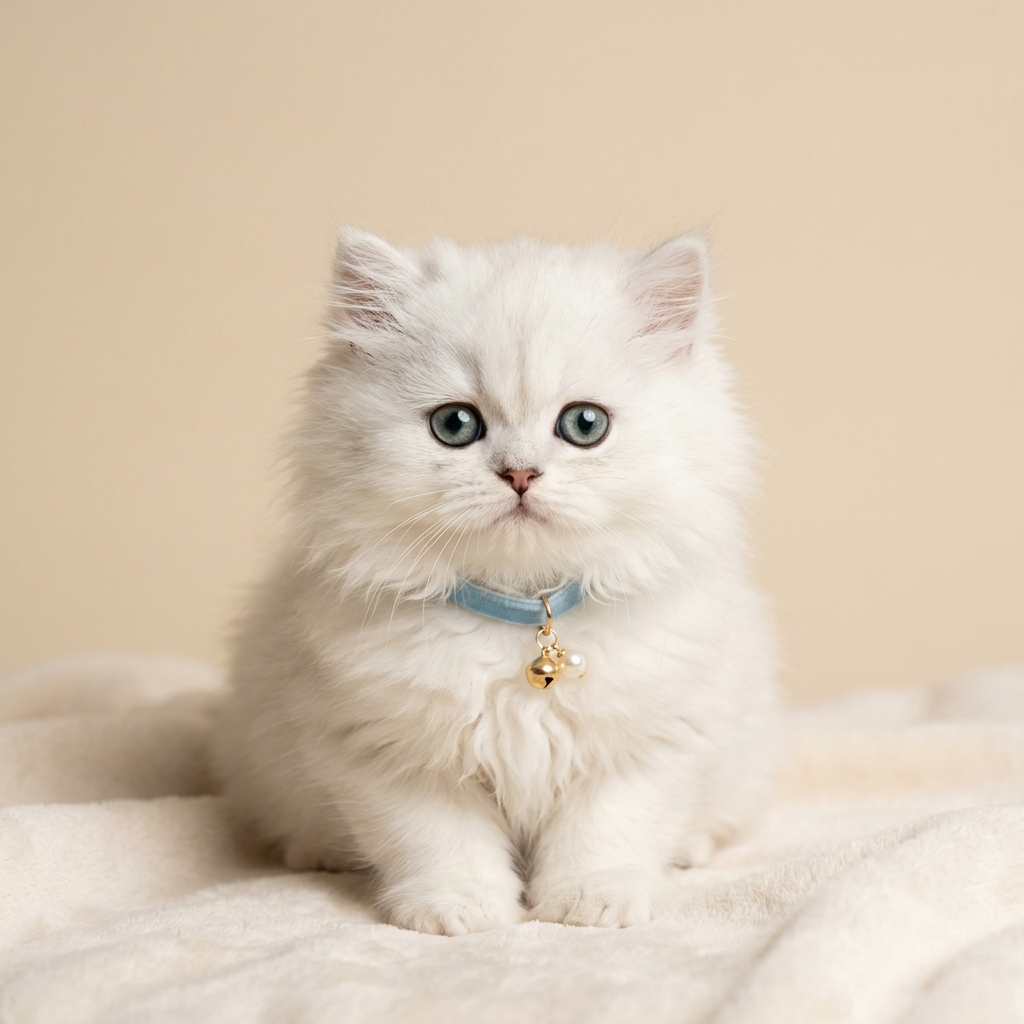
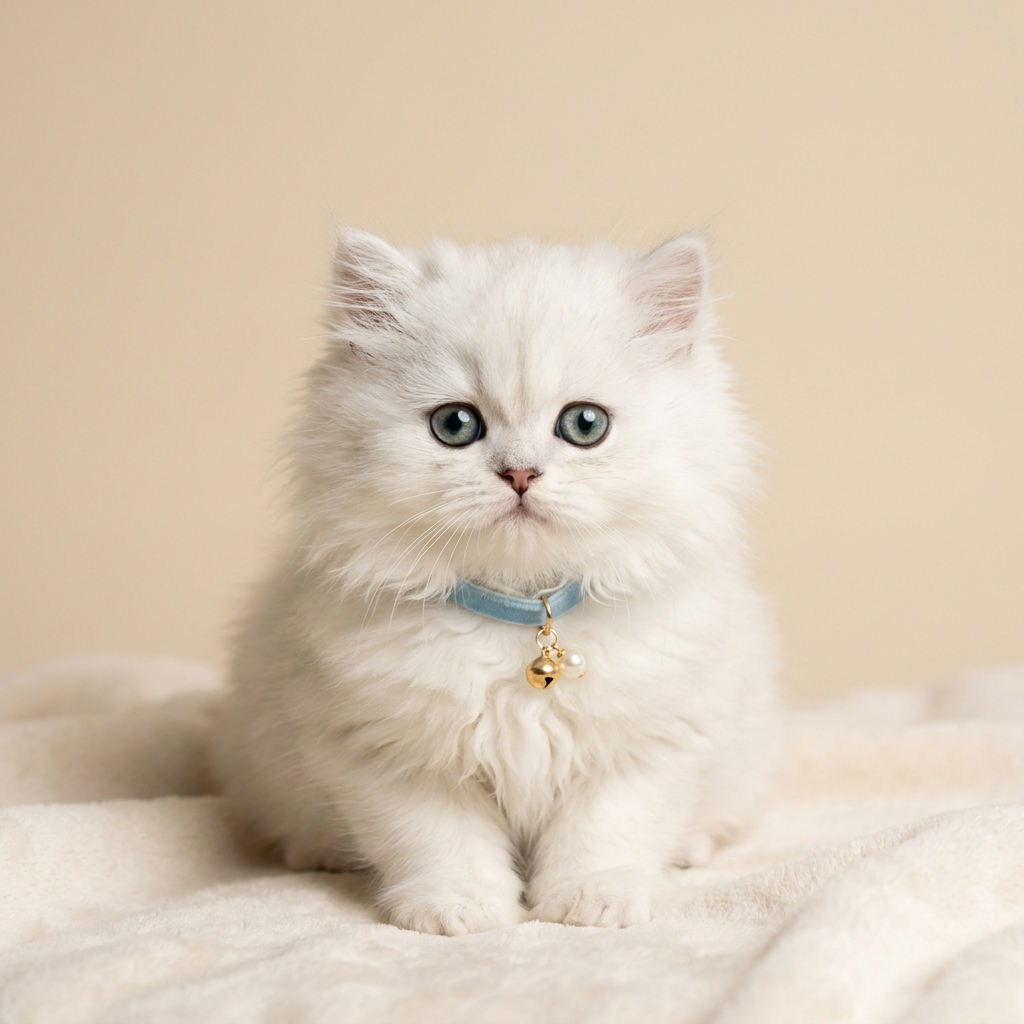
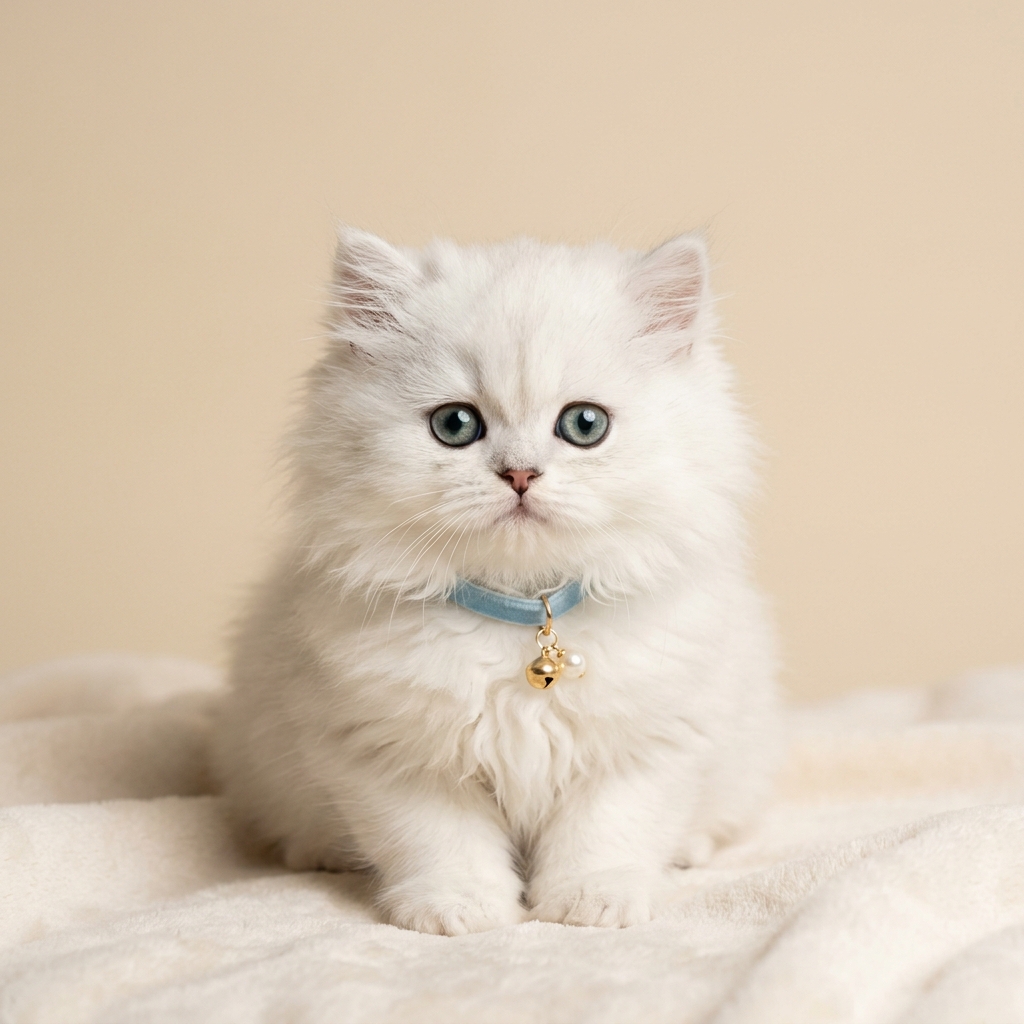
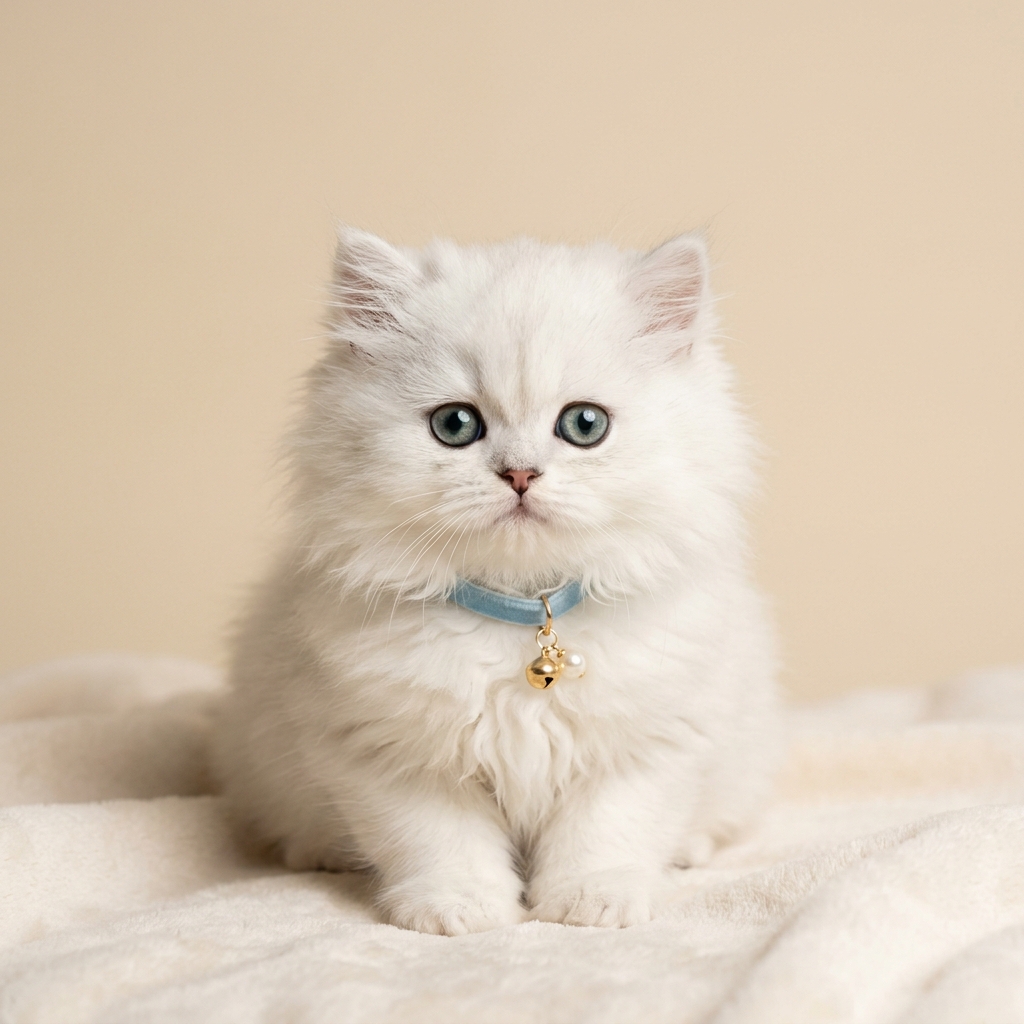
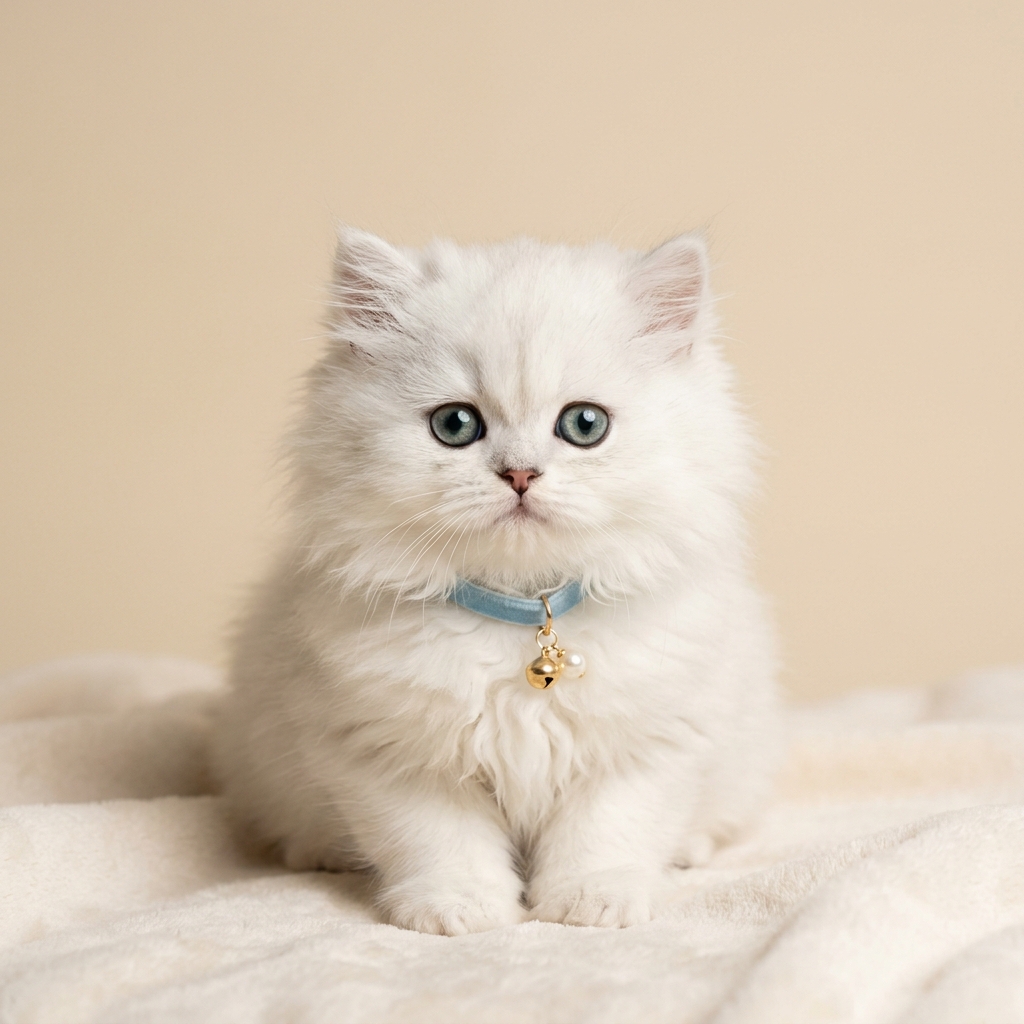
Available Pedigree Cats
Select a cat to view active vet records, breed credentials, and start a secure WhatsApp consultation.